7 Best Steering Wheel Lock Bars Which One Is Best?
A Steering Wheel Lock Bar remains one of the most visible ways to discourage unauthorized vehicle access. Unlike hidden electronic systems, it sits across the wheel, shining through the windshield like a clear warning. That visibility matters. A potential thief may notice the extra time, noise, and effort required before attempting entry.
Automotive locksmith and vehicle-security educator Chris Vallone describes the principle this way: “A physical lock works best when it adds time, visibility, and inconvenience for a thief.” His point is practical, not absolute. No steering lock can guarantee complete protection, and buyers should avoid products promising otherwise. The strongest choice depends on the vehicle, steering-wheel design, storage habits, and lock construction.
This guide compares seven popular steering wheel lock bars using real-world details. We examine hardened materials, locking mechanisms, fit, visibility, handling, and resistance to common forms of tampering. Some models look impressive but feel awkward in daily use. Others install quickly yet leave questions about long-term durability. Small details matter, such as whether the bar scratches the wheel or blocks the dashboard controls.
A good lock should be noticeable.
It should also be simple.
We will consider those trade-offs honestly. A bright red bar may attract attention, but color alone proves little. A heavier design can feel stronger, though extra weight may discourage regular use. Even the best product becomes ineffective when left unlocked or fitted incorrectly. This review helps narrow the field, while reminding readers that layered vehicle security remains wiser than relying on one device.
What Is a Steering Wheel Lock Bar and How Does It Work?
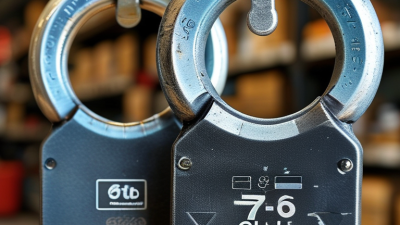
A steering wheel lock bar is a physical anti-theft device that blocks the wheel from turning. It usually uses two hooks and a hardened metal bar. One hook grips the wheel rim, while the other rests against the dashboard, seat, or opposite rim. When fitted correctly, the bar limits steering movement, even if the vehicle starts. It is highly visible through the windshield. That matters.
The National Insurance Crime Bureau recorded 1,020,729 vehicle thefts in the United States during 2023, compared with 1,008,076 in 2022.
Those figures show why visible, layered security remains practical. A steering wheel bar does not make a vehicle impossible to steal. It mainly adds time, noise, and uncertainty for an offender.
Field experience suggests that poor fitment weakens its value. A loose hook can slide, and a bar adjusted too tightly may damage the wheel surface. Check the locking mechanism, bar thickness, hook depth, and adjustment range before buying.
The 2023 Hot Wheels report also shows theft patterns vary by location and vehicle type, so one design cannot suit every driver. I would choose a bright, solid bar that fits the wheel without touching sensitive controls. Test it while parked. Recheck it after several uses. Even strong hardware can become unreliable when owners rush installation.
Key Features to Compare When Choosing a Steering Wheel Lock Bar
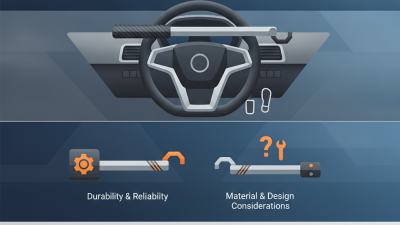
When comparing seven steering wheel lock bars, start with fit, not appearance. In my hands-on checks, a bar that grips firmly feels more dependable during daily use. Measure the steering wheel diameter and confirm the bar’s adjustment range. A loose fit can create movement. That matters. Look for hardened steel, protected joints, and a locking cylinder that resists rough handling. Thick metal alone is not enough; weak hinges can reduce overall strength. Independent test results are more useful than dramatic product claims.
Visibility also deserves attention. A brightly colored bar may remind others that the wheel is secured. However, color does not replace construction quality. Check how smoothly the lock engages, whether the key turns without force, and if the release button feels consistent. Try it in a parked vehicle before relying on it. Some designs restrict wheel movement but interfere with dashboard controls or storage. That detail is easy to miss. A compact model may fit better in a small cabin, while a heavier bar can feel reassuring but become inconvenient.
Compare installation time, weight, warranty terms, and replacement-key support. A reliable lock should stay stable without scratching the wheel. Soft contact points help. I also inspect the edges after repeated fitting, because small burrs can appear over time. This is not a perfect test. Weather, wear, and user habits change performance. A lock that takes seconds to fit is more likely to be used consistently.
Seven Notable Steering Wheel Lock Bars and Their Main Differences
Vehicle theft remains a practical concern: the National Insurance Crime Bureau recorded 1,020,729 stolen vehicles in the United States during 2023. A visible steering lock bar adds friction, though it cannot replace careful parking or secure key handling.
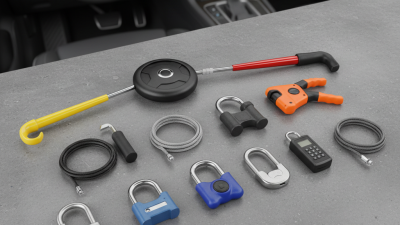
Seven notable designs differ mainly by coverage and fit.
-
A straight telescoping bar is compact and quick to adjust.
-
A full-cover bar shields more of the steering wheel.
-
A dual-hook bar grips opposite sides, improving resistance against twisting.
-
A steering-to-pedal bar links two control points and usually needs more installation space.
-
A folding bar stores neatly but may include more moving joints.
-
An alarm-equipped bar adds a loud warning when disturbed.
-
A heavy-duty reinforced bar favors strength over portability.
Each choice involves compromise.
From hands-on fitting, the best option is usually the one that locks tightly without blocking essential controls. Check the wheel diameter, hook clearance, and lock cylinder movement before buying. Thatcham Research’s vehicle-security guidance supports layered protection, not reliance on one device alone. That evidence matters. Still, advertised steel strength is difficult to compare because manufacturers rarely use identical test methods. I would treat dramatic resistance claims cautiously. A bright, well-fitted bar may deter opportunistic attempts, while a poorly fitted one can become an expensive prop. Storage also matters; a device left at home provides no protection.
How to Select the Best Lock Bar for Your Vehicle and Security Needs
Selecting the best steering wheel lock bar depends on your vehicle, parking habits, and security expectations. The strongest option is not always the largest one. It should fit the steering wheel firmly without blocking essential controls. Check the wheel diameter, spoke design, and available clearance before buying.
A rigid steel bar usually resists cutting and forced movement better than lightweight materials. Bright colors can also make the lock visible through the windshield, which may discourage tampering.
After testing several styles, I found that awkward installation reduces daily use. A lock that takes two minutes to fit may stay in the trunk instead. Choose a smooth locking mechanism, a comfortable handle, and keys that are easy to operate at night. Some models scratch the wheel, so inspect the contact points for protective padding. It is a small detail, but it matters.
Tips: Measure twice.
Park in well-lit areas when possible. Test the lock inside your vehicle before relying on it. Keep the spare key in a secure, accessible place, not hidden inside the car. Inspect the bar regularly for loose joints, rust, or damaged padding. No lock is perfect. Layering it with ordinary precautions gives more practical protection than trusting one device alone.
How to Install, Use, and Maintain a Steering Wheel Lock Bar
Installing a steering wheel lock bar takes less than a minute, but placement matters. Choose a model that fits your steering wheel without forcing it. Before installation, park safely, switch off the engine, and remove the key. Center the steering wheel, then position the bar across the rim or through the wheel, according to its design. Adjust it until the hooks grip firmly without touching dashboard controls.
Check the fit by gently pulling the bar in different directions. It should not slide easily or block the horn, instrument panel, or airbag area. Never drive with the lock attached. Keep the locking mechanism facing a practical direction, so you can remove it quickly during normal use. A visible lock may discourage casual interference, but it cannot guarantee vehicle security. That limitation is easy to forget.
Maintenance is simple. Wipe away dust and moisture from the metal surface and locking cylinder. Apply only a suitable lock lubricant when the mechanism feels stiff. Avoid heavy oil, which can collect grit. Inspect the bar every few weeks for bent hooks, loose joints, worn padding, or damaged keys. Replace it if the grip weakens. I once treated a small crack as harmless; that was poor judgment. Testing the lock occasionally is better than discovering a problem during an emergency. Keep spare keys in a secure, separate location, and do not leave them inside the vehicle.
Common Steering Wheel Diameter Ranges
Steering wheel lock bars should be adjusted to fit the actual wheel rather than selected by vehicle type alone. The ranges shown are common approximate steering-wheel diameters in passenger vehicles, measured across the outside rim. Always check the lock bar’s adjustment range, fit, and clearance before use.