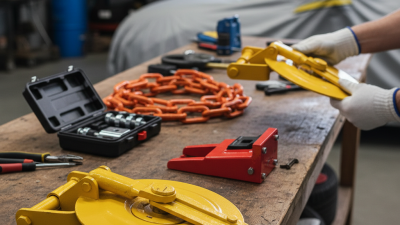
Choosing the best car tire lock from China requires more than comparing prices or polished product photos. A Tire Lock Car should resist forced rotation, fit securely, and remain practical during daily use. Its value depends on steel hardness, locking-cylinder quality, protective coatings, and compatibility with different wheel sizes.
The National Insurance Crime Bureau reported 1,020,729 vehicle thefts in the United States during 2023. That figure does not prove a tire lock prevents every theft. It does show why visible, physical deterrents still deserve careful attention. A strong lock can create noise, delay, and inconvenience for an unauthorized person. Those effects matter in a real parking lot. Small details matter.
S&P Global Mobility reported that the average U.S. vehicle age reached about 12.6 years in 2024. Older vehicles often need broader fitment checks, especially when wheel designs and tire widths vary. The best Chinese models should therefore provide clear measurements, corrosion testing, replacement-key support, and reliable instructions. Independent test evidence is more persuasive than an impressive sales claim. Grand View Research has also identified the automotive aftermarket as a large, expanding global sector, increasing the number of available security products and the risk of inconsistent quality.
This guide compares construction, portability, weather resistance, locking performance, and seller reliability. It also considers certifications carefully, since ISO 9001 usually describes manufacturing management rather than product strength. No single model wins everywhere. A heavy lock may offer better deterrence but become inconvenient to carry. A compact design may be easier to store but provide less coverage. That conclusion remains imperfect. Real-world testing, verified specifications, and user experience should decide the final recommendation.
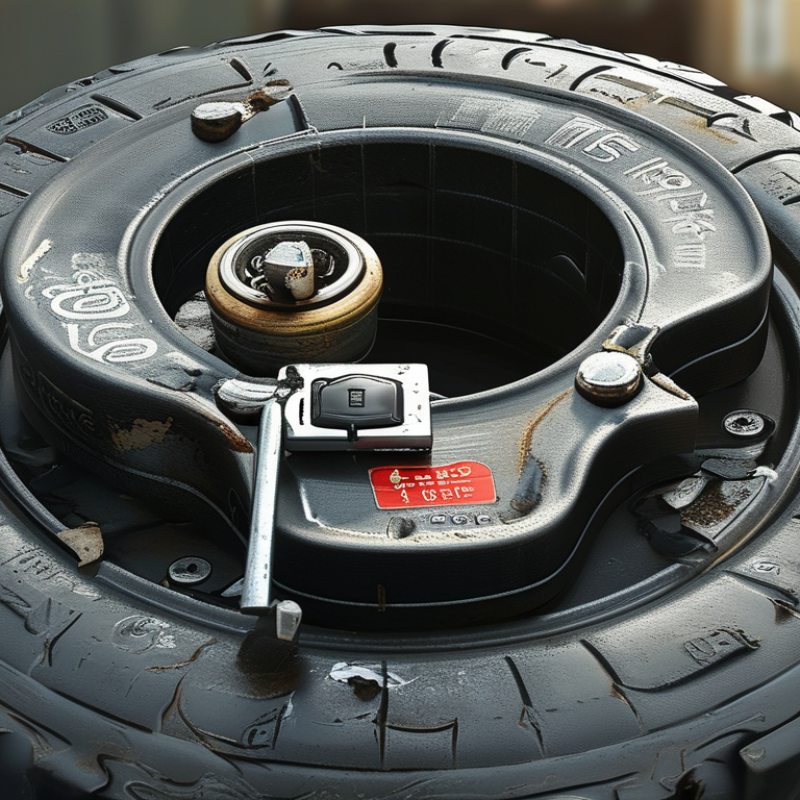
A car tire lock, often called a wheel clamp, is a mechanical device fitted around a wheel. It usually combines hardened steel with a protected locking cylinder. When secured, its arm covers part of the tire or blocks the wheel from turning freely. This creates a visible barrier before a thief can enter the vehicle. The best car tire lock from China is not simply the heaviest model. It should match the tire size, resist cutting, and remain stable during rain, dust, and temperature changes. A precise fit matters. A loose clamp may rattle, shift, or damage the wheel.
In practical security checks, visibility is one of its strongest benefits. A bright, well-positioned clamp can discourage opportunistic theft and signal that extra time is required. It does not replace an alarm, steering lock, or sensible parking choice. No clamp is perfect. A determined offender may attack the vehicle, move it, or exploit poor installation. That limitation deserves honest attention. Look for thick steel sections, smooth hinges, sealed key protection, and a locking mechanism that resists forced twisting. The clamp should be easy for the owner to attach, yet difficult to remove without the key. Test it on the actual tire before regular use. Check clearance around brake components and wheel covers. Products made in China vary widely in quality, so request material details, load testing, corrosion testing, and clear size specifications. Independent inspection adds confidence, although paperwork alone cannot prove real-world durability.
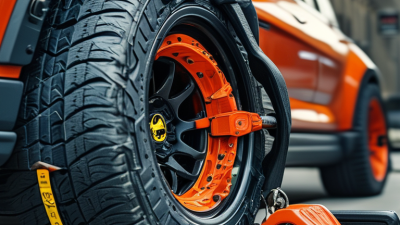
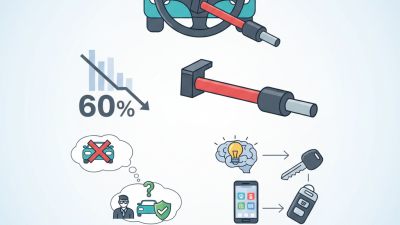
Vehicle immobilization functions provided by common anti-theft devices
A wheel clamp is generally the most direct tire-lock solution because it physically restricts wheel rotation and creates a visible warning from outside the vehicle. Designs that also cover the wheel or lug nuts can add resistance to wheel removal. When comparing products, check clamp strength, locking-cylinder protection, tire-size compatibility, corrosion resistance, and ease of installation.
When evaluating Chinese tire locks, I focus on physical resistance rather than appearance. The strongest designs use thick, heat-treated steel around the wheel and tire. Thick steel matters. A thin clamp may look imposing but can deform under force. Reinforced hinge points also reduce weak spots. However, extreme hardness can make a lock brittle, so balanced material treatment is important.
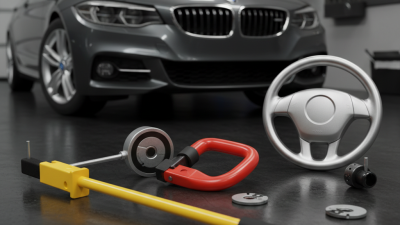
A wheel-clamp design covering the lug nuts offers strong practical protection. The broad shield blocks direct access to the fasteners and protects the locking body from common tools. Some Chinese designs add hardened pins and anti-drill plates around the cylinder. This detail matters.
An enclosed locking mechanism also helps resist dust, rain, and freezing conditions. Still, moving parts need smooth alignment. I would test the lock repeatedly on a real wheel, not only inspect factory photos.
During supplier checks, I look for clear steel specifications, consistent welds, and documented load testing. Independent inspection reports improve reliability, but paperwork cannot replace physical sampling. Installation also affects security. A poorly fitted lock may leave gaps near the wheel cover. My reservation is simple: more metal can increase weight and reduce daily convenience. A practical design should fit common wheel sizes without excessive movement. Security depends on that close fit, yet no portable tire lock is completely resistant to every method of attack.
When evaluating a car tire lock from China, steel grade matters more than appearance. Hardened carbon steel usually resists cutting better than ordinary mild steel. However, a material label alone proves little. Request mill certificates, hardness data, and independent test records from the supplier. My early mistake was trusting a heavy-looking lock without checking its steel specification.
Thickness affects resistance to cutting and bending, but excessive thickness can reduce portability. A 6-millimeter arm may suit compact cars, while heavier vehicles may need thicker sections. Inspect welds, corners, and hinge points closely. These areas often reveal weak manufacturing. Weight should feel substantial, not awkward.
Lock type also changes daily performance. A protected disc cylinder can resist picking better than a basic exposed padlock. Some models use keys, while others use combination systems. Choose a mechanism that remains usable after rain, dust, and winter grime. Coverage is equally important. A lock should block the wheel or lug nuts securely, with minimal space for tools. Partial coverage may look impressive but leave a practical attack point.
A small gap can matter. Perfect protection is unrealistic, so installation speed and consistent use deserve honest consideration.
When evaluating a car tire lock from China, buyers should examine quality data before comparing prices. GB/T 19001 and ISO 9001 describe quality management systems, not automatic product approval. A certificate alone proves little.
Request a complete certificate copy. Check the legal manufacturer name, production address, certificate number, issue date, expiry date, and certification scope. The scope should cover automotive security devices or related metal products. Verify the certification body through its public accreditation database. Confirm that the certificate covers the actual factory, not only a trading office. Check audit status and any suspension records.
Ask for controlled inspection records. Useful data includes incoming steel checks, hardness results, coating thickness, lock-cycle testing, and final dimensional reports. For example, a report should identify the batch number, sample quantity, test method, equipment, and acceptance limit. Photographs of gauges and stamped samples can strengthen traceability. Also request records for corrective actions after failed inspections.
Look closely at the wording. GB/T 19001 and ISO 9001 do not guarantee resistance to cutting, corrosion, or forced entry. Those claims need separate test evidence. A neat PDF can still hide weak controls. I once overlooked packaging traceability; that small gap made a later defect difficult to investigate. Buyers should review recent production samples and compare them with approved drawings. Ask difficult questions. Silence is data.
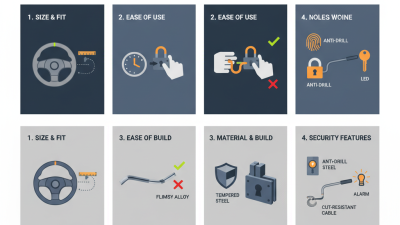
When comparing a car tire lock from China, fit deserves more than a “universal” label. Measure the tire width, wheel diameter, and clearance around the brake caliper. Check whether the lock touches alloy wheels, wheel covers, or suspension parts. A tight clamp may damage a rim, while a loose one can shift during movement. Test it on your actual vehicle before outdoor use. It should close smoothly without excessive force.
Weather resistance also needs practical inspection. Look for hardened steel, a durable anti-corrosion coating, and protected lock cylinders. Salt, rain, dust, and freezing temperatures can expose weak materials quickly. Ask for corrosion-test details, not only attractive product photos. The warranty should clearly cover coating failure, broken keys, faulty mechanisms, and replacement parts. Read its exclusions carefully. Some warranties sound strong but offer little help after outdoor exposure.
Test reports can reveal more than marketing claims. Check the laboratory name, test date, sample identification, and tested material. Reports should explain corrosion cycles, impact checks, locking-force tests, or temperature exposure. A document without methods is difficult to verify. I once assumed a heavier lock was automatically safer, but weight alone proves little. Poor fit can reduce real security. Buyers should also request installation instructions and test the lock several times, preferably with gloves and in low light. Small handling problems often appear only after installation.
| Comparison Dimension | What Buyers Should Check | Acceptable Specification | Strong Specification | Evidence to Request | Buyer Assessment |
|---|---|---|---|---|---|
| Vehicle and wheel fit | Adjustable jaw range, tire width, wheel diameter, clearance around the rim and brake components | The supplier provides a dimensional drawing and confirms compatibility with the buyer’s tire and wheel measurements | Tool-free adjustment with a clearly stated minimum and maximum opening, plus fit samples covering several passenger-car wheel sizes | Technical drawing, installation photographs, measurement instructions and a signed fit confirmation | Reject if fit depends only on a generic “universal” claim |
| Locking mechanism | Resistance to picking, drilling, cutting and forced manipulation; key or combination reliability | Hardened steel locking components, protected lock cylinder and a positive locking indicator | Shielded cylinder, anti-drill design, protected shackle or locking bar, and documented mechanical testing | Material declaration, engineering drawings, test method, sample photographs and test-lab identification | Prefer documented construction over appearance alone |
| Corrosion resistance | Surface treatment on exposed steel, fasteners, hinges and lock-cylinder components | Zinc-plated, powder-coated or equivalent protected steel, with corrosion-prevention instructions | Corrosion test report using a stated method such as ISO 9227 or ASTM B117, including exposure duration and acceptance criteria | Complete report, specimen description, test dates, laboratory details and photographs before and after testing | Do not treat a salt-spray hour claim as a direct lifetime guarantee |
| Weather resistance | Performance in rain, road splash, dust, freezing conditions and de-icing salt | Drainage openings, covered or shielded keyway, rust-resistant spring components and clear maintenance instructions | A stated environmental protection rating for any electronic component; IP65, for example, means dust-tight and protected against water jets, but does not mean immersion protection | Environmental test report, care instructions, operating-temperature range and replacement-part availability | Mechanical locks still require lubrication and inspection |
| Structural strength | Thickness and grade of the main bar, clamp body, hinge, welds and adjustment points | Steel grade and key dimensions are declared; welds are continuous where required and free from visible defects | Independent static-load, impact or forced-entry testing with the exact production design identified in the report | Material certificate, production drawing, failure photographs and a report linked to the tested model revision | Give more weight to independent evidence than advertised steel thickness |
| Operational usability | Installation time, handling weight, key access, visibility and risk of wheel or rim contact | Installation can be completed without special tools and without contacting the brake rotor, valve stem or painted rim | High-visibility warning color, padded contact areas, replaceable protective covers and an illustrated user guide | Instruction manual, installation video, packaged weight, spare-key procedure and sample inspection checklist | A secure lock is unsuitable if it can be installed incorrectly |
| Warranty coverage | Duration, covered failures, exclusions, claim process and responsibility for shipping | At least 12 months for manufacturing defects, with written exclusions for misuse, unauthorized modification and normal wear | 24 months or longer, defined response time, replacement-part support and a documented international claim process | Signed warranty terms, service contact, claim form, spare-part list and return-shipping policy | A warranty is only useful when the remedy and contact channel are clear |
| Test-report credibility | Whether the report covers the exact product, batch and test method being offered | Report includes product identification, test date, sample quantity, method, results and laboratory details | Independent laboratory report with traceable accreditation details and photographs of the tested sample | Full report rather than a certificate image; verify the laboratory and report number directly where possible | Unverifiable certificates should receive no evidence score |
| Quality consistency | Inspection of incoming steel, welding, coating, assembly, locking function and final packaging | Written inspection checklist and batch records are available for review | Production samples are retained, critical dimensions are measured and corrective-action records are maintained | Quality-control plan, inspection records, sample approval procedure and change-notification policy | Require approval samples before volume production |
| Overall buying decision | Balance fit, physical security, environmental durability, documentation and after-sales support | Suitable only when fit is confirmed and the supplier provides written warranty and basic material information | Best choice when the exact production model passes independent testing, has confirmed fit and includes transparent warranty support | Use a weighted scorecard and keep all drawings, reports, warranty terms and approval samples on file | No universal best lock: select the best-documented, correctly fitted option |