How to Choose the Best Bicycle Alarm Lock for Your Bike?
In recent years, bicycle theft has surged significantly. According to a study by the National Bicycle Dealers Association, nearly 1.5 million bicycles are stolen every year in the United States alone. This alarming statistic underscores the importance of effective security measures for bike owners. A solid Bicycle Alarm Lock can serve as a crucial line of defense against theft.
Selecting the best lock involves understanding your specific needs. Not all locks are created equal, and some may leave your bike vulnerable. Various models offer different features, such as sensitivity levels and alarm volume. It's essential to explore these options carefully. Some users have reported dissatisfaction with their chosen locks, often due to misunderstandings about how they work.
Moreover, consider the environment where you'll park your bike. High-crime areas demand more robust protection. Striking a balance between convenience and security can be challenging. Ultimately, the right Bicycle Alarm Lock is a personal choice, shaped by individual circumstances and preferences. Reflect on your requirements and make an informed decision to protect your bicycle effectively.
Understanding the Different Types of Bicycle Alarm Locks Available
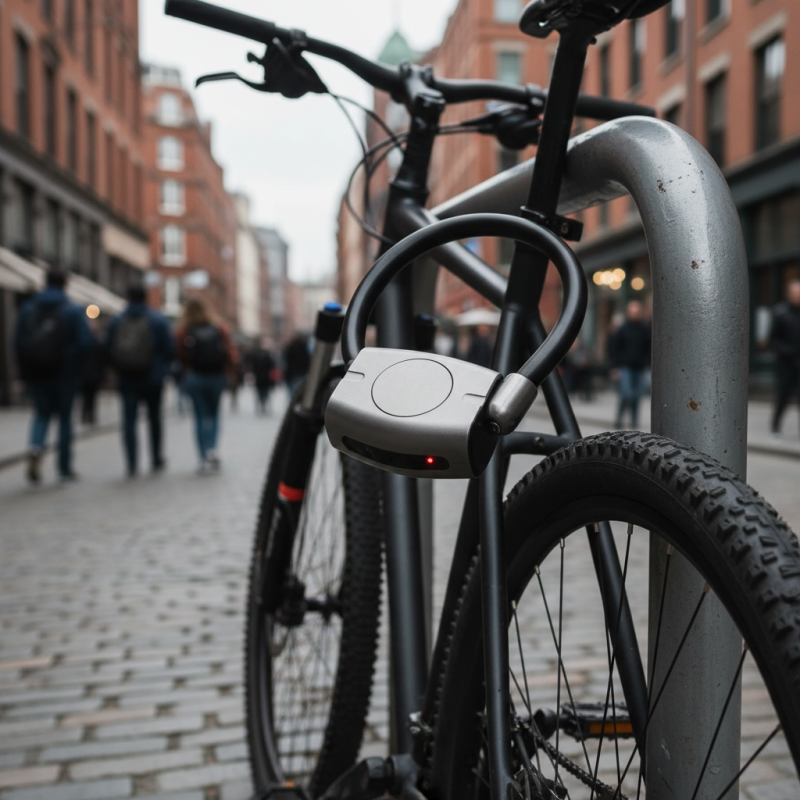
When selecting a bicycle alarm lock, consider the various types available. One popular option is the U-lock. This lock features a solid, sturdy design, which offers high resistance against cutting. It's essential to know the size to fit your bike frame and nearby objects. A U-lock may not fit in your pocket, though.
Chain locks present another choice. They come with a heavy-duty chain covered in a protective sleeve. This offers flexibility when locking your bike to various structures. However, they can be heavy and cumbersome. Being mindful of the weight is key, especially if you plan to carry it long distances.
Disc brake locks also deserve attention. These compact locks are designed to fit over your bike's disc brake rotor. They produce an alarm when tampered with, providing immediate audio feedback. Yet, ensuring you engage the lock correctly is crucial. If improperly locked, it may fail when needed most. Each type of bicycle alarm lock has its pros and cons. Choosing the best one requires careful consideration of your biking habits.
How to Choose the Best Bicycle Alarm Lock for Your Bike? - Understanding the Different Types of Bicycle Alarm Locks Available
| Type of Lock |
Security Level |
Alarm Feature |
Weight |
Price Range |
| U-Lock |
High |
Yes |
2.5 lbs |
$40 - $90 |
| Chain Lock |
Medium |
Yes |
3.5 lbs |
$30 - $70 |
| Foldable Lock |
Medium-High |
Yes |
2.2 lbs |
$60 - $120 |
| Disc Brake Lock |
Medium |
No |
1.5 lbs |
$20 - $50 |
| Smart Lock |
High |
Yes |
2 lbs |
$100 - $200 |
Key Features to Consider When Choosing a Bicycle Alarm Lock
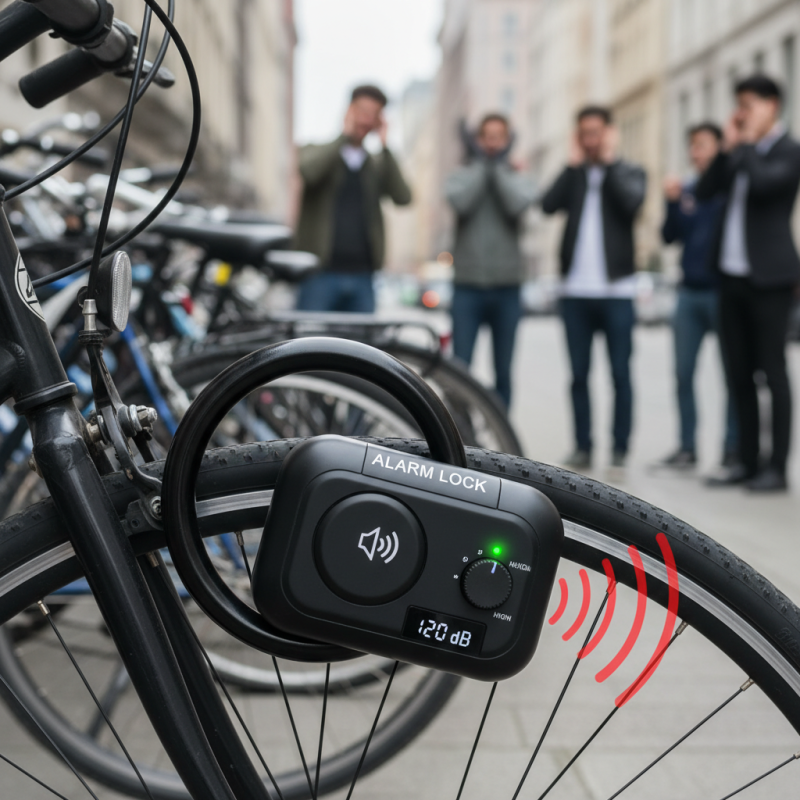
When selecting a bicycle alarm lock, it's essential to consider several key features. The first feature is the alarm volume. A lock with a loud alarm will deter thieves better. Aim for an alarm that reaches at least 100 decibels. This sound should be ear-piercing, grabbing attention quickly. You should also check the sensitivity settings. A lock that reacts to slight movements can add an extra layer of security.
Next, think about the locking mechanism. Some locks utilize a traditional key, while others may have a combination setup. Each method has pros and cons. Key locks can be lost but are generally straightforward. Combination locks eliminate the need for keys, but you must remember the code.
Finally, consider the battery life of the lock. Many alarms rely on batteries, so a long-lasting battery is a plus. A recharge option can also be beneficial. However, not all batteries last under heavy usage. You may find yourself in a situation where the alarm fails due to dead batteries. Reflect on these aspects carefully. They are critical for ensuring your bicycle's security.
Evaluating the Alarm System's Sensitivity and Volume
When choosing a bicycle alarm lock, sensitivity and volume are key factors. A sensitive alarm can detect even minor vibrations, which helps protect your bike from thieves. Look for locks that offer adjustable sensitivity settings. Too sensitive, and you may annoy your neighbors. Not sensitive enough, and you risk losing your bike.
Volume is another important aspect to consider. An alarm should be loud enough to alert those nearby. A sound of at least 100 dB is ideal. However, alarms that are excessively loud can become a nuisance. You might find yourself reflecting on how best to balance those two factors.
Also, consider the environment where you park your bike. If you often lock it in quiet areas, a loud alarm may help. In busier areas, a sensitive lock may trigger too often. The perfect alarm lock might not exist. It's important to evaluate your needs carefully.
Assessing Durability and Weather Resistance of Locks
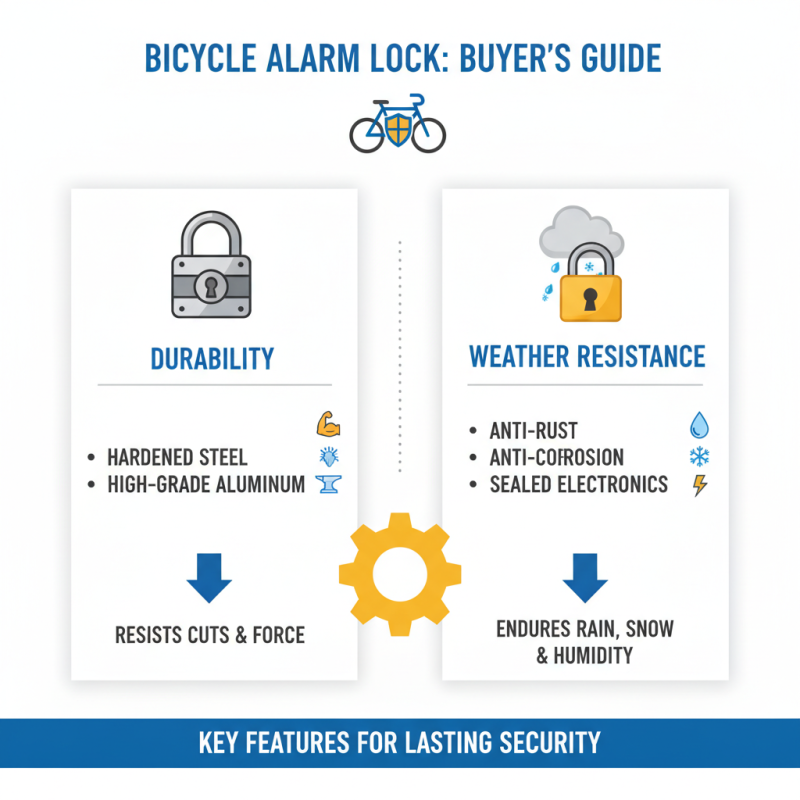
When choosing a bicycle alarm lock, assessing durability and weather resistance is crucial. A high-quality lock should withstand harsh conditions. Look for materials that resist rust and corrosion, like hardened steel or high-grade aluminum. These materials can endure rain, snow, and humidity without compromising security.
Additionally, consider the lock's design. A bulky lock might deter thieves, but it could be a hassle to carry. Compact locks are convenient but may not offer the same level of protection. Think about where you usually park your bike. If it’s outdoors, ensure the lock has weatherproof sealing. Some locks even come with rubberized components that protect against moisture.
Lastly, user reviews often highlight real-world experiences. Pay attention to comments about how locks perform in different weather conditions. Some locks may promise durability but fall short over time. Look for patterns in feedback and trust the experiences of fellow cyclists. Making an informed decision can save you from regret later.
Comparing Price Range and Warranty Options for Bicycle Alarm Locks
When you consider a bicycle alarm lock, price and warranty play crucial roles. Alarm locks come in various price ranges. Some might cost under $30, while others exceed $100. Higher prices often accompany advanced features. Don't let a high cost fool you; not all expensive locks are the best.
Warranty options are worth examining. A longer warranty often suggests better durability and manufacturer confidence. Look for at least one year of warranty. Some locks might come with two years or more. A solid warranty can save you money long-term.
**Tip:** Compare prices online to spot the best deals. Read reviews to understand real-world durability. Take your bike to a store and test various locks.
Think about the lock's weight. A lighter lock is easier to carry but may sacrifice security. Balance ease and safety to find what suits you best. Sometimes, a cheaper option may surprise you with its effectiveness. Keep your options open and do thorough research.
Comparison of Bicycle Alarm Lock Price Ranges and Warranty Durations