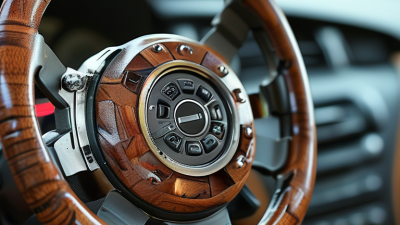
Choosing the right Anti Theft Steering Wheel Lock is not simply about buying the largest metal device. It is about matching protection, visibility, vehicle compatibility, and daily convenience. A lock may look impressive in a product photograph, yet fit poorly around a modern steering wheel. That weakness matters. Fit matters.
Automotive security consultant Chris McGoey, CPP, has expressed a practical principle: “Security works best in layers.” This idea should guide every buying decision. A steering wheel lock can create a strong visual warning, restrict steering movement, and slow down unauthorized vehicle use. However, it cannot replace careful parking, secure key habits, or the vehicle’s built-in security systems. No lock is perfect.
This guide examines the details that are easy to overlook. We will compare hardened materials, locking cylinders, tamper resistance, handle design, installation time, and compatibility with different steering wheel shapes. A bright red lock may attract attention, but color alone proves little. A heavy model may feel safer, but excessive weight can make regular use unpleasant. That is where many buyers compromise. They choose protection for storage, not real life. The best Anti Theft Steering Wheel Lock should fit tightly, resist common tampering attempts, remain visible through the windshield, and be simple enough to use every time. Some conclusions may challenge popular assumptions. That is useful. Reliable security choices begin with honest limitations, practical testing, and evidence rather than dramatic marketing claims.
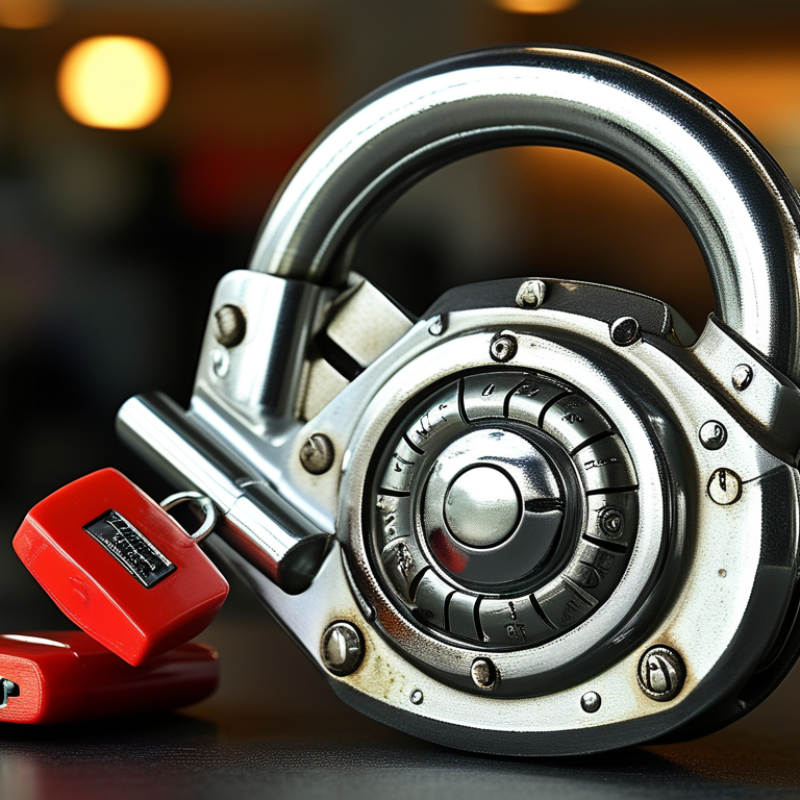
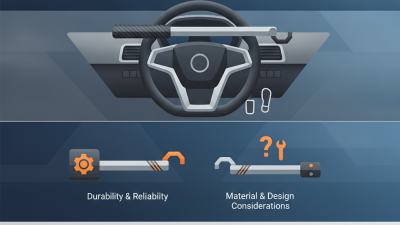
Choosing an anti-theft steering wheel lock starts with understanding its type and function. A traditional bar lock stretches across the wheel, blocking rotation and creating a visible warning. A full-cover lock surrounds much of the steering wheel, making cutting or turning more difficult. Wheel-to-pedal models add another obstruction by connecting the steering wheel to the brake or clutch pedal.
The main function is physical resistance, not absolute protection. The National Insurance Crime Bureau reported 1,020,729 vehicle thefts in the United States during 2023. That figure supports using visible, layered deterrents. A lock with a hardened steel body, protected cylinder, and anti-drill design usually offers stronger resistance. The fit matters too. A loose lock may leave enough movement for steering, while an oversized model may be removed through the wheel opening.
Visibility has practical value. A bright lock can discourage opportunistic attempts before damage begins. Electronic alarm locks add sound, but batteries can fail. Mechanical locks avoid that weakness. Still, no steering-wheel device defeats every determined thief. That is the uncomfortable part. Owners should check wheel compatibility, storage convenience, key control, and installation time. A lock that stays in the trunk provides no protection. Insurance Institute data also shows vehicle security depends on multiple factors, including location, vehicle design, and driver behavior. The best choice is therefore the lock used consistently, fitted tightly, and paired with sensible parking habits.
The FBI recorded 1,020,729 vehicle thefts in 2023, showing that theft remains a practical risk, not a rare headline. The National Insurance Crime Bureau also reported over one million stolen vehicles that year. These figures describe national exposure, not your exact street. Risk rises near crowded transit areas, unsecured parking, and locations with repeated theft reports. A steering wheel lock adds a visible barrier before someone reaches the ignition or electronic systems. In my experience, the best model fits tightly, resists twisting, and remains easy to use at night. A loose lock creates false confidence. That deserves honest attention.
Tips: Measure your steering wheel first. Choose hardened metal, a protected locking cylinder, and a design that covers the wheel clearly. Test installation from the driver’s seat. It should take seconds, not several frustrating minutes. Check whether the lock blocks turning without touching the dashboard or airbag area. The Insurance Institute for Highway Safety emphasizes layered vehicle security, while the FBI data supports treating prevention as a daily habit. Do not rely on appearance alone. Some bright locks look strong but flex under pressure. Read independent test details, warranty terms, and user reports describing real fitment. Review local theft patterns every few months. Statistics change. Your parking routine may need to change too.
A strong steering wheel lock should resist cutting, prying, twisting, and leverage attacks. Hardened steel helps, but thickness alone proves little. Look for test reports showing the tool types, attack duration, mounting method, and failure point. Independent certification is more useful than a dramatic product claim. Schemes such as Sold Secure Automotive test physical resistance under defined conditions. Still, no portable lock is impossible to defeat.
The National Insurance Crime Bureau recorded 1,020,729 vehicle thefts in the United States during 2023, a 1% rise from 2022. That figure supports layered protection, not blind confidence in one device. In practical checks, examine the lock around the hinge, cylinder, and contact points. Weak joints can undermine a heavy bar. A clear laboratory report should identify the exact sample, test date, and pass or fail result. Some reports are brief. That is a weakness worth questioning.
Tips: Choose a lock that fits tightly, leaves little room for leverage, and remains visible through the windshield. Test its weight before purchase. A very heavy model may stay at home. Check whether the key mechanism resists picking and drilling, but do not treat this feature as proof of complete security. Independent testing can also miss everyday problems, such as poor fit or difficult storage. The best choice balances attack resistance, verified evidence, and regular use.
Vehicle compatibility should guide every purchase. Measure the steering wheel and check its shape, spoke spacing, and airbag position. A lock must fit firmly without pressing buttons or blocking dashboard controls.
The FBI Crime Data Explorer recorded more than one million motor vehicle thefts in 2023. That figure makes physical protection worth considering, but no lock replaces sensible parking habits.
Key security matters beyond the number of keys included. Look for a hardened locking mechanism, a covered keyway, and a design that resists easy tampering. Keep spare keys away from the vehicle.
Visibility also has practical value. A bright, clearly visible lock may discourage opportunistic attempts before entry begins. I have found that highly visible tools feel reassuring, although appearance alone proves little. Independent resistance testing is still more meaningful than advertising claims.
Tips: Test installation inside the vehicle before buying. Confirm that the lock reaches its full locking position.
Choose a model you can fit in seconds, even in rain or poor lighting. Check whether it stores neatly under a seat.
The National Insurance Crime Bureau continues to report persistent vehicle theft risks, while daily inconvenience can make owners stop using security devices. A slightly less bulky lock may therefore provide better real-world protection. That is an imperfect trade-off, but regular use matters.
Choosing an anti-theft steering wheel lock requires more than comparing shelf prices. The NICB’s 2023 Hot Wheels report recorded 1,020,729 vehicle thefts in the United States. That figure makes visible deterrence worth considering, especially for cars parked outdoors overnight.
Price should include replacement keys, shipping, and possible wear after repeated use. A low-cost lock may develop loose joints or scratched coating within months. Check the warranty length, covered parts, claim process, and exclusions for misuse or surface damage. A longer warranty matters only when the seller provides clear service contacts and written terms. Cheap is not always efficient.
Insurance terms need careful verification. The Insurance Information Institute explains that comprehensive coverage generally addresses vehicle theft, subject to the policy deductible and conditions. However, an insurer may not offer a discount for a steering lock, and approval can vary by policy and region. Ask for written confirmation before buying. Keep the receipt and installation instructions.
Test the lock inside your actual vehicle. It should fit firmly, remain visible, and store without blocking the driver’s movement. Look for hardened materials, protected edges, and a key mechanism that works smoothly in cold or rain. I once focused too heavily on price and ignored storage space. That was inconvenient. Long-term value also includes daily effort: a lock left in the trunk provides no practical deterrence. Choose a model you will use consistently, maintain easily, and replace before its mechanism becomes unreliable.
The figures below reflect common retail ranges and market practices for mechanical steering-wheel locks. Actual prices, warranty coverage, and insurance eligibility vary by seller, vehicle, country, and policy wording.
| Lock Category | Typical Street Price | Typical Warranty | Security Design | Installation & Daily Use | Insurance Considerations | Expected Service Life | Long-Term Value |
|---|---|---|---|---|---|---|---|
| Basic bar lock | US$15–35 | 1 year is common | Visible steel bar that restricts steering-wheel rotation; usually uses a basic key cylinder. | Very quick to fit, usually under 30 seconds. Compact models may be easier to store. | Often treated as a visible deterrent, but many insurers do not provide a discount solely for using one. | 2–5 years with normal indoor storage and occasional lubrication. | Low purchase cost, but lower resistance to cutting or leverage than heavier designs. |
| Heavy-duty steering-wheel bar | US$30–70 | 1–3 years is common | Hardened or reinforced steel construction with a longer blocking arm and a more substantial locking mechanism. | Usually takes 30–60 seconds to install. Heavier and less convenient to carry. | May satisfy an insurer’s requirement for a physical anti-theft device, but written approval is normally required. | 5–10 years when the lock body, key, and protective coating remain in good condition. | Strong balance between purchase price, visible deterrence, and durability. |
| Pedal-to-steering lock | US$35–80 | 1–3 years is common | Connects the steering wheel to a brake or clutch pedal, limiting both steering movement and pedal operation. | More time-consuming to fit, typically 45–90 seconds. Compatibility and footwell clearance must be checked. | More likely to be viewed as a substantial physical security measure, although discounts are policy-specific. | 5–10 years; hinges, joints, and locking points need regular inspection. | Higher protection potential, but convenience and vehicle compatibility reduce its value for some drivers. |
| Wheel-cover or full-wrap lock | US$45–100 | 1–3 years is common | Covers a larger portion of the steering wheel, making access and cutting more difficult than with a short bar. | Usually takes 60–120 seconds to fit and requires more storage space in the vehicle. | Insurers may require evidence that the device is independently tested or professionally approved. | 5–10 years, depending on fabric, coating, hinges, and exposure to heat and moisture. | Good deterrence, but the higher price is justified only when the owner accepts slower daily installation. |
| Commercial-grade removable lock | US$70–150+ | 2–5 years is common | Heavier materials, reinforced locking points, tighter fit, and stronger resistance to prying or cutting. | Typically 30–90 seconds to install. Weight and storage are the main disadvantages. | Best chance of meeting insurer or fleet-security requirements when accompanied by recognized testing or documentation. | 8–15 years with maintenance, dry storage, and timely replacement of worn keys or cylinders. | Higher upfront cost can be economical for high-risk parking, high-value vehicles, or long ownership periods. |